✖

Fish Oil Crude

Fish Oil Crude Exporters

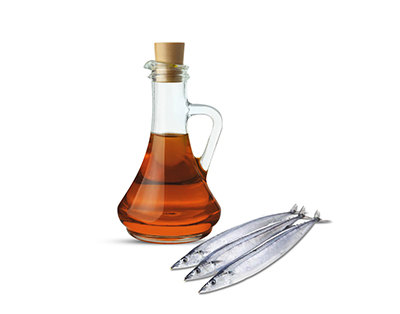
Pakistani Fish Oil Supplies crude fish oil that is derived from Anchovies, Sardines, Tuna & Salmon. It is produced by means of pressing oily raw fish from different parts of the world. The oil is primarily used for human consumption though there are also industrial users around the world such as aquaculture feed, hardening, cooking oil and coating. Fish oil is recognized for its high content of Mono and Poly-unsaturated fatty acids, being particularly rich in Omega-3 . We offer year-round supply of crude oil mostly -human-consumption grade and we deliver it in Flexi-tank containers.

  • Product Name: Fish Oil
  • Part Used: Fish
  • Storage: Store in a cool dry place protected from light
  • Packing: 200Ltrs Steel Drums

Get Product Quote

Full Name is required.
Phone Number is required.
Email is required.
Message is required.
Verification
Solve this Equation*
+
This field is required.

QUALITY DATA
Appearance and Color Color Dark Brown to Black
Taste and Odor Typical Fish Smell
Free Fatty Acid 10 - 17%
Iodine Value 155-165
Moisture 1 to 2%
DHA + EPA 25%
Unsaponifiable Matter 0.3%
Saponification Matter 208-210

Fish Oil Crude Exporters in Pakistan

Crude fish oil is pressed from oily fish, primarily anchovies, sardines, tuna, and salmon, sourced from fishing grounds across different regions and processed before any refining takes place. It's the raw form of one of the most in-demand marine oils globally, valued for its high concentration of mono and poly-unsaturated fatty acids, particularly Omega-3.

What Crude Fish Oil Is Actually Used For

Unlike some raw materials that are purely industrial inputs, crude fish oil serves both human-consumption grade supply chains and industrial applications. On the industrial side, it's used in aquaculture feed formulation, oil hardening processes, certain cooking oil blends, and coating applications. NaumanSab supplies year-round, primarily at human-consumption grade, delivered in flexi-tank containers for buyers moving larger volumes efficiently across long-distance shipments.

Understanding the Quality Profile

Crude fish oil looks and behaves differently from a refined product, and that's expected at this stage of processing, a dark brown to black appearance and a pronounced fish odor are typical, not defects. What actually matters for buyers is the underlying composition: this batch carries a DHA plus EPA content of 25%, the two Omega-3 fatty acids most responsible for fish oil's nutritional and industrial value, alongside a free fatty acid range of 10-17% that's standard for crude-grade material before further refining.

Crude vs. Refined: Which One to Order

Buyers planning to refine the oil further as part of their own production process typically order crude grade, since it's priced lower and gives the buyer control over the refining specifications on their end. Buyers who need a cleaner, ready-to-use grade without additional processing should look at Fish Oil Refined instead, which has already gone through impurity removal.

Packaging and Storage

Crude fish oil is supplied in 200-litre steel drums, and should be stored in a cool, dry place away from direct light to preserve its composition ahead of further processing.

Sourcing Alongside Other Animal-Derived Products

Buyers formulating feed products often source Fish Meal alongside crude fish oil in the same order, since both serve overlapping roles in aquaculture and poultry feed formulations. The full range of animal-derived oils NaumanSab supplies is listed under Plant and Animal Oils.

Frequently Asked Questions

Primarily anchovies, sardines, tuna, and salmon, sourced from oily fish stocks.

Crude suits buyers planning to refine it further themselves; refined suits buyers needing a ready-to-use grade.

It's supplied in 200-litre steel drums, with flexi-tank delivery available for larger volume orders.